A love letter to the youngsters
Hey all, Ryan here. It was a while ago (99B represent!), but I remember my early years in the SAFD quite well. My first apparatus was a yellow open cab at old #2s, the Twin Towers in NY were still stretching up to the sky, our medics carried about 10 medications (including oxygen, which everyone got), Sean Elliott had just rejoined Tim Duncan and David Robinson with the Spurs after his kidney transplant and Wemby was still 4 years from being born.
Twenty-six years later, the wrinkles on my face keep showing up like growth rings on a tree. I’ve learned a few things and maybe (probably) forgot a few things along the way. All in all, the job is the same; we still fight fire, we still help the sick and injured, we still use agitation as a love language, and we’re still one of the highest rated public services in the city.
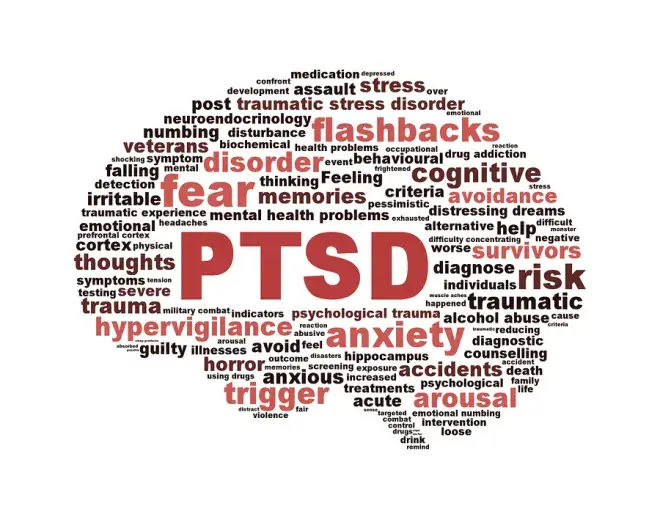
Most people start this job in their mid to late 20s, so after 20 years at it, you’ll probably in your mid-40s. Aside from risking your own life (sometimes too often), you’ll have a career’s worth of traumatic scenes you’ve interacted with that become lodged in the dark corners of your brain. Not to be forgotten (because in your 40s you start to forget stuff) is the aging process that Father Time beats us over the head with. Testosterone and/or estrogen along with your metabolism begins to drop, you’re tired more often, midlife crisis ideation creeps in, and some of those high school sports injuries pop up out of nowhere and now you’re shopping for a heating pad, reading glasses, and Metamucil at Walmart. At this point, you’ll have almost certainly experienced loss outside of the job. Whether it’s grandparents, parents, or close friends, you’ll have seen people you love planted in the earth.
At the end of the day (or career in this case) we’re all just trying to get to retirement with a little tread left on the tires. What happens between that first and last shift is something amazing. We change. Our attitudes and beliefs adjust to what our eyes have witnessed.
When I began this job in my mid-20s, I’d scoff at the old-timers and their tall tale stories that sounded a lot like an episode of Rescue Me. The advice they gave seemed way too conservative and there was plenty time to make the changes they suggested. Looking back, I wish I would’ve heeded some of the advice they gave me (and I’m glad I didn’t buy a boat). My reality check was the day I woke up and had to hold my phone nearly an arm’s length away just to read a text. That’s when I started taking inventory of my life and some of the gradual changes that had been slooowly happening that I hadn’t noticed.
I was listening to a podcast on first responder mental health, and I heard something that hit home. The person being interviewed was a similar age to me and in a major metro department. Early in his career, he referred to his work uniform as his “trauma shield” because it was sure to deflect all those bad calls like Superman’s cape. Or so he thought. It wasn’t until towards the end of his career he realized it wasn’t a shield; it was a sponge. Now, he’s nearing the end of his career and some of the disturbing runs he’s gone on and close calls he escaped have reappeared and dance across his closed eyes at bedtime, replacing the innocent counting of sheep.
Believe me, I’m not being a Debbie Downer here...just sharing perspective. The foundation we lay for ourselves early in our career sets the stage for the rest of our lives. Taking care of our physical fitness, our diets, spending habits, and just general discipline in life are a few things we take seriously. Mental health should be part of this foundation also.
I talk to A LOT of retirees that are all in a similar predicament: When they make that retirement steak dinner and hang up the uniform for the last time, there’s excitement in finally getting to the finish line. But much like twisting your ankle in a pickup game of basketball, the pain doesn’t set in until the game is over and you’re on the sideline.
Based on actual communications I’ve had, retirement can be isolating if you’re not mentally prepared. Things can get awfully quiet, and you’re left alone with your own thoughts. You’re no longer in the game and your teammates and coaches aren’t there to keep you focused on the right things.
So how can we prepare for this life change that seems like it’s too far away to worry about? Prioritize your mental health NOW. Establish a relationship with a mental health professional as you would your general practitioner. It’s always a good idea to have a therapist that you can check in with from time to time. Therapists are amazing at connecting dots and seeing things that we may miss. While this may not be a lifetime commitment to a single person, being comfortable in a therapy setting takes a lot of the fear and anxiety away that can come with the stigma. Having an arena where you are seen and heard by a professional neutral party has a way of centering you, even when things already seem like they’re “fine.” Sometimes when you start talking, you’ll be surprised at what comes out.
Establishing a relationship with a therapist, whether it’s one of our own here at Wellness or someone you find yourself can greatly help you navigate the job and life and make sure you get to the finish line with clarity of what you’ve experienced and what may be yet to come.
Annual physicals have saved lives by catching things early, and mental health is no different. The best thing that can happen is you enter and then leave knowing there are a few tweaks you can make that will make life better.
It takes time, and we’re just never sure how much time we have.
Not gonna lie, the view from inside the firetruck is awesome, but don’t forget about the long road still ahead. Take care of your body, take care of your mind. If you need help getting started, your behavioral health team at the wellness center is ready to guide you in whatever way you may need. Come say “hi.”